Noor Trends News, Technical Analysis, Educational Tools and Recommendations

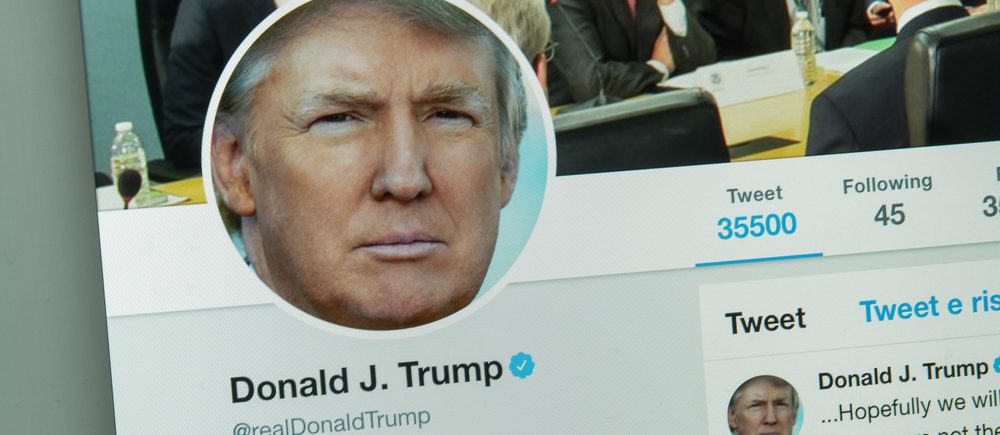
House Republicans suffered a narrow but symbolic defeat late Tuesday after failing to pass a procedural measure designed to block lawmakers from forcing a vote on President Donald Trump’s tariff policies. The proposal was rejected by a slim margin of 214–217, as three Republicans joined Democrats in opposing the move—dealing a setback to Republican leadership and exposing growing internal divisions over trade.
The measure was embedded within the rules governing debate on a bill related to U.S. energy security. Its key aim was to prevent any member of Congress from compelling a vote on Trump’s tariffs until July 31. Had it passed, the rule would have effectively shielded the administration’s trade actions from congressional scrutiny for several months.
Trump’s tariffs are rooted in a declaration of a “national emergency,” a mechanism that allows the president to impose import duties without immediate congressional approval. Blocking a vote would have limited Congress’s ability to overturn that declaration during the proposed timeframe. While a similar procedural maneuver narrowly succeeded last September, it expired at the end of January, leaving the issue once again exposed.
With Trump continuing to signal potential new tariffs, unease has been building among some Republicans who are reluctant to surrender Congress’s constitutional authority over trade and taxation. That tension came into sharp focus with Tuesday’s vote.
The defeat clears the path for Democrats to move quickly to force a vote aimed at overturning Trump’s use of emergency powers to impose tariffs on Canadian imports. The effort is being led by Representative Gregory Meeks, the ranking Democrat on the House Foreign Affairs Committee. Democrats are expected to prioritize Canada, particularly after the Senate has already voted to end tariffs on Canadian goods.
Any attempt to repeal the tariffs, however, still faces a high bar, requiring approval from both the House and the Senate.
Republican dissent played a crucial role in the outcome. Representative Kevin Kelly of California accused party leaders of overreach, arguing that procedural rules should facilitate debate rather than consolidate power at the expense of rank-and-file lawmakers. “The parliamentary rule is meant to organize debate,” he said, “not to pass unrelated items that expand leadership’s power.”
House Speaker Mike Johnson signaled a preference for delaying any vote on tariffs until the Supreme Court rules on the scope of presidential authority in trade matters. Johnson defended Trump’s approach, asserting that the president’s trade policies “have done great good for the country.”
Yet public sentiment appears to be shifting. A recent Pew Research Center survey found that 60% of Americans oppose tariff policies, including 28% of Republicans—highlighting the political risks associated with continued trade escalation.
As the 2026 midterm elections draw closer, the vote underscores a delicate balancing act for Republicans, some of whom are increasingly eager to distance themselves from Trump’s most controversial economic policies. Representative Thomas Massie, a long-time critic of the former president, framed his opposition in constitutional terms, stating: “Congress, not the president, has the power to tax—and that includes tariffs.”
For financial markets and global trade partners, the episode signals renewed uncertainty, with U.S. trade policy once again at the center of a high-stakes political and institutional battle.