Noor Trends News, Technical Analysis, Educational Tools and Recommendations

Has India Found the Key to the Strait of Hormuz Deadlock?
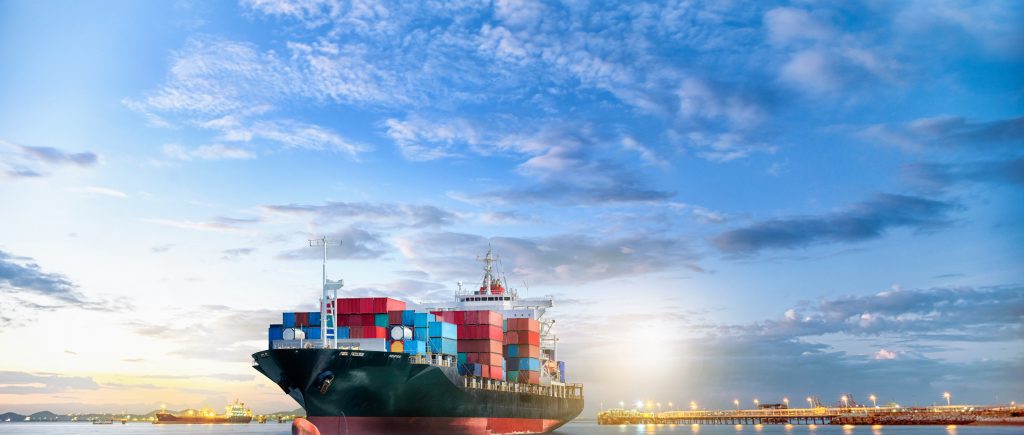
India’s recent success in securing safe passage for its oil and gas tankers through the Strait of Hormuz has sparked global attention. At a time when tensions in the Gulf threaten one of the world’s most vital maritime corridors, India has shown that diplomacy can achieve what military escorts often struggle to guarantee. By engaging directly with Iran, Indian vessels crossed the strait without incident, offering a striking example of dialogue prevailing over confrontation.
The Strait of Hormuz is a narrow but strategic waterway through which nearly one‑fifth of the world’s oil supply flows. Any disruption immediately reverberates across global energy markets, raising prices and fueling uncertainty. Traditionally, nations have relied on naval deployments and military coalitions to protect shipping lanes. India, however, chose a different path—negotiating directly with Tehran and securing safe passage without concessions or costly military involvement.
This achievement carries weight beyond India’s borders. For Europe, grappling with energy insecurity and strained relations with Iran, the Indian model offers a thought‑provoking lesson: diplomacy, even in difficult circumstances, can open doors that force alone may keep shut. Yet the success is not a permanent solution. Each passage is negotiated individually, and the arrangement remains fragile, dependent on continued goodwill and communication. Replicating this approach may prove far more challenging for nations whose political ties with Iran are adversarial.
India has not discovered a golden key to permanently unlock the Strait of Hormuz deadlock, but it has demonstrated that careful negotiation can create opportunities for safe navigation. In a region where military strategies dominate, India’s diplomatic passage stands out as a reminder that dialogue remains one of the most powerful tools in global affairs.