 Noor Trends News, Technical Analysis, Educational Tools and Recommendations

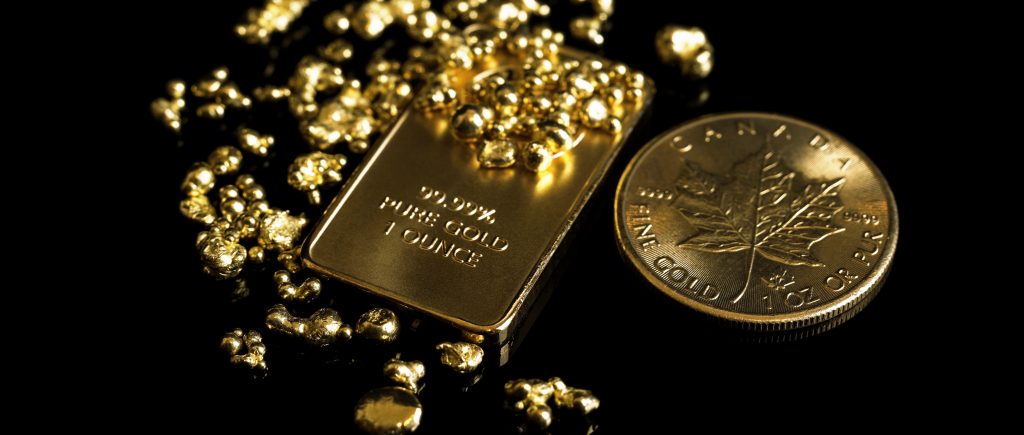
Gold prices declined in Asian trading on Thursday, returning to a trading range seen over the past week as escalating tensions between the United States, Israel, and Iran boosted the U.S. dollar and oil prices, limiting the metal’s upside.
By 01:33 ET (05:33 GMT), spot gold fell 0.6% to $5,147.05 per ounce, while U.S. gold futures dropped 0.5% to $5,151.86 per ounce.
Despite the decline, gold continued to trade within the $5,000–$5,200 range, supported by persistent safe-haven demand as geopolitical uncertainty remains elevated.
Dollar and oil rally weigh on bullion
Gold’s weakness came as financial markets focused on rising oil prices and a strengthening dollar amid the ongoing conflict in the Middle East.
The U.S. Dollar Index gained 0.2% in Asian trading, hovering close to a two-month high, which tends to weigh on gold by making the metal more expensive for international buyers.
At the same time, oil prices surged sharply, briefly rising above $100 per barrel after reports that two international oil tankers were struck near Iraq.
Additional reports indicated that Oman evacuated a key oil export terminal, while Iran moved to block the Strait of Hormuz, a vital shipping route responsible for roughly 20% of global oil supply.
Inflation fears pressure gold outlook
The sharp rise in crude prices has increased concerns about a renewed surge in global inflation.
Higher energy costs could prompt central banks to maintain a more hawkish monetary policy stance, potentially keeping interest rates elevated for longer—an unfavorable environment for non-yielding assets such as gold.
Metal markets react to mixed war signals
Other precious metals also moved lower on Thursday.
- Silver slipped 0.2% to $85.56 per ounce
- Platinum declined 0.1% to $2,167.26 per ounce
Metal markets have been highly volatile this week, reacting to conflicting signals about the trajectory of the Iran conflict.
U.S. President Donald Trump and other officials have repeatedly suggested the war could end soon, even as fighting between the United States, Israel, and Iran continues with no clear signs of de-escalation.
Inflation data in focus
Gold briefly climbed above $5,200 per ounce on Wednesday, but retreated after the release of U.S. consumer price index (CPI) data, which came in line with expectations.
While the inflation reading provided few surprises, it failed to alleviate concerns that rising energy prices could push inflation higher in the coming months.
Investors are now turning their attention to the U.S. Personal Consumption Expenditures (PCE) price index, due on Friday.
The PCE index is the Federal Reserve’s preferred measure of inflation and is expected to offer more insight into price pressures in the U.S. economy during the first month of 2026.
Although the upcoming data is unlikely to reflect the immediate energy shock from the Iran conflict, it could influence longer-term expectations for inflation and the future path of U.S. monetary policy.