Noor Trends News, Technical Analysis, Educational Tools and Recommendations

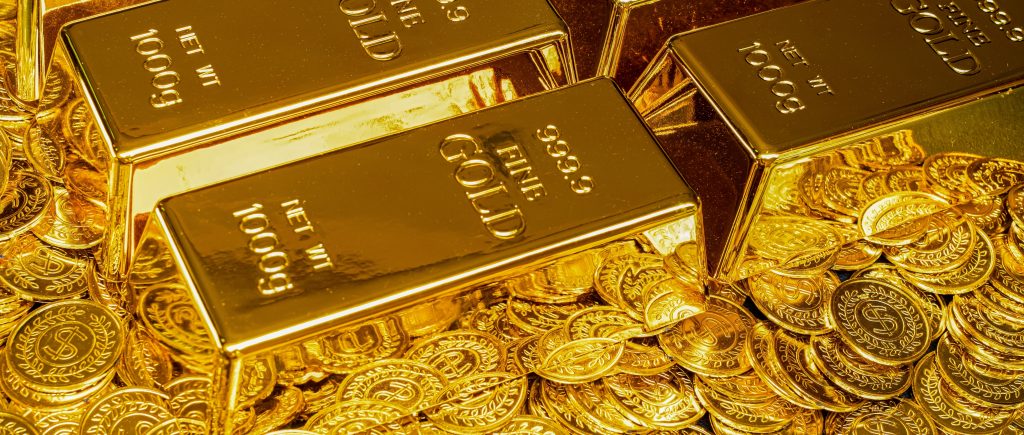
Gold Caught Between War Fears and Market Reality
Gold prices struggled to gain momentum on Tuesday as investors weighed conflicting signals surrounding the ongoing confrontation between the United States and Iran. The precious metal, long considered a refuge during geopolitical crises, showed only a modest recovery after recent sharp losses. Prices hovered near $4,400 an ounce after briefly slipping earlier in the day, reflecting a cautious mood among traders trying to interpret the next phase of the conflict and its implications for global markets.
A Rebound That Lost Its Energy
The market had briefly turned optimistic earlier in the week when news emerged that Washington would delay planned military strikes on Iranian energy infrastructure. The pause raised hopes that diplomatic channels might still be open, prompting a quick rebound in gold prices from recent lows.
Yet that optimism faded almost as quickly as it appeared. Iranian officials dismissed suggestions that negotiations were underway, injecting fresh uncertainty into an already volatile geopolitical environment. With the possibility of prolonged conflict still looming, investors stepped back from aggressive positions, leaving gold struggling to extend its gains.
A Cooling Economy Adds to the Puzzle
At the same time, new economic data from the United States added another layer of complexity to the outlook. Recent surveys of business activity indicated that economic growth slowed in March, marking one of the weakest readings in nearly a year.
The slowdown was most noticeable in the services sector, while manufacturing showed somewhat stronger resilience. Although the figures hinted at softer momentum in the broader economy, they were not weak enough to significantly shift expectations about future monetary policy.
Interest Rates Cast a Long Shadow
For gold, the biggest challenge remains the outlook for interest rates. Financial markets increasingly expect borrowing costs in the United States to remain elevated for an extended period.
Higher interest rates tend to strengthen the dollar and increase yields on government bonds, both of which compete directly with gold for investor attention. Because gold does not generate interest or income, rising yields elsewhere often make the metal less appealing as an investment.
The Strong Dollar Problem
The strength of the US dollar has therefore become a central factor shaping gold’s performance. As investors seek safety in dollar-based assets during periods of uncertainty, demand for the currency rises. This dynamic creates a headwind for gold. Since the metal is priced globally in dollars, a stronger currency effectively raises its cost for buyers in other parts of the world, limiting demand and slowing price gains.
Oil, Inflation, and the War Effect
Energy markets are also playing a role in the evolving story. With tensions continuing in the Middle East and shipping routes through the Strait of Hormuz under severe pressure, oil prices have remained elevated.
Rising energy costs are fueling concerns about inflation across the global economy. Under normal circumstances, such inflation fears would support gold demand, as the metal is widely viewed as a hedge against rising prices. But in the current environment, the inflation surge is also reinforcing expectations that central banks will keep interest rates high, creating conflicting forces within the gold market.
Volatility Drives a Rush for Cash
Another force weighing on gold is the growing volatility across global financial markets. Since the conflict intensified, stock markets have faced persistent turbulence, prompting investors to raise cash and reduce exposure to riskier assets.
In such moments, even traditional safe-haven assets may be sold as investors scramble to preserve liquidity or meet financial obligations. This broad market behavior has added to the pressure on gold prices in recent days.
A Market Waiting for Clarity
The result is a market caught between competing forces. Geopolitical risk, inflation fears, and ongoing conflict would normally drive gold higher. Yet strong bond yields, a resilient dollar, and a global dash for liquidity are keeping prices restrained.
For now, investors appear reluctant to make bold moves. Much will depend on the direction of the war and whether diplomatic efforts gain traction. Until clearer signals emerge, gold may remain locked in a cautious holding pattern—reflecting a world where uncertainty is high, but conviction in financial markets remains fragile.