Noor Trends News, Technical Analysis, Educational Tools and Recommendations

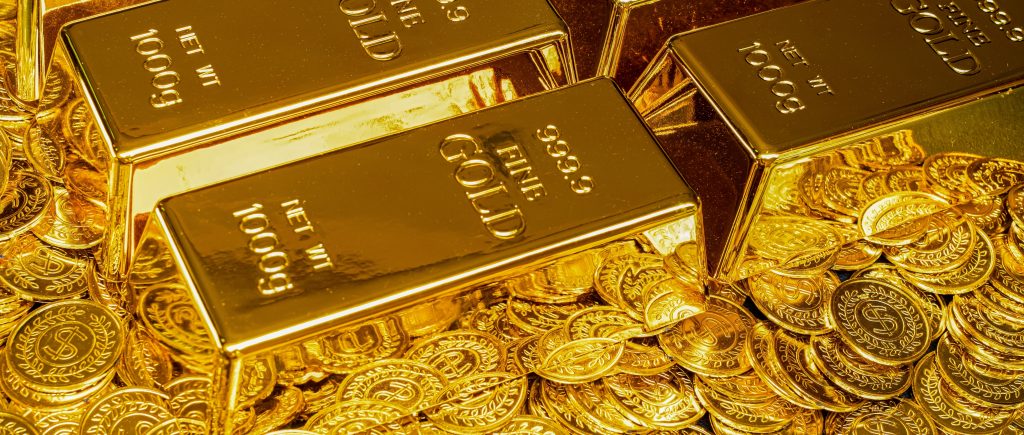
Gold and silver prices declined sharply on Tuesday, extending losses from the previous session as investors remained cautious ahead of a busy slate of U.S. economic data and developments surrounding upcoming nuclear talks between the United States and Iran.
Trading activity was subdued due to market holidays in both China and the United States, while a modest uptick in the U.S. dollar added further pressure to precious metal prices.
Spot gold fell 1.9% to $4,898.51 an ounce, while April gold futures dropped 2% to $4,916.66 an ounce by 01:22 ET (06:22 GMT). Silver underperformed, with spot prices sliding nearly 3% to $74.49 an ounce. Platinum also weakened, falling 0.7% to $2,007.43 an ounce.
Geopolitical Tensions Offer Little Safe-Haven Support
Market attention is partly focused on renewed diplomatic efforts between Washington and Tehran. U.S. and Iranian officials are scheduled to meet in Geneva on Tuesday to discuss Iran’s nuclear program, amid elevated military tensions in the Middle East.
U.S. President Donald Trump said on Monday that he would be indirectly involved in the talks and expressed confidence that Iran was seeking a deal. Nonetheless, tensions remain high after the U.S. deployed two aircraft carriers and several warships to the region in recent weeks. Iran has responded by launching military drills in the Strait of Hormuz, a critical global oil transit route.
Despite the heightened geopolitical backdrop, precious metals attracted limited safe-haven demand. Investor appetite has remained muted following a sharp price correction since late January, when gold and other metals retreated significantly after reaching record highs amid speculative buying.
U.S. Economic Data and Fed Signals in Focus
Investors are now firmly focused on upcoming U.S. economic indicators and monetary policy signals. Industrial production data is due on Wednesday, followed by the Personal Consumption Expenditures (PCE) price index on Friday—the Federal Reserve’s preferred measure of inflation. Markets are also awaiting the minutes from the Fed’s January policy meeting, scheduled for release on Wednesday.
These releases are expected to provide further clarity on the outlook for inflation and interest rates, at a time when uncertainty over U.S. monetary policy continues to weigh on metal markets.
Gold has been under particular pressure since President Trump nominated Kevin Warsh as the next Chairman of the Federal Reserve. Warsh is widely seen as less dovish, prompting concerns that interest rates may remain higher for longer—a scenario that typically undermines non-yielding assets such as gold.
Recent U.S. data has sent mixed signals, with inflation showing signs of cooling in January while labor market indicators remained resilient. Meanwhile, the dollar found some support in holiday-thinned trading on Monday, adding to the headwinds facing precious metals.
Overall, the near-term direction for gold and silver is likely to remain tied to U.S. macroeconomic data, Federal Reserve guidance, and shifts in global risk sentiment.