Noor Trends News, Technical Analysis, Educational Tools and Recommendations

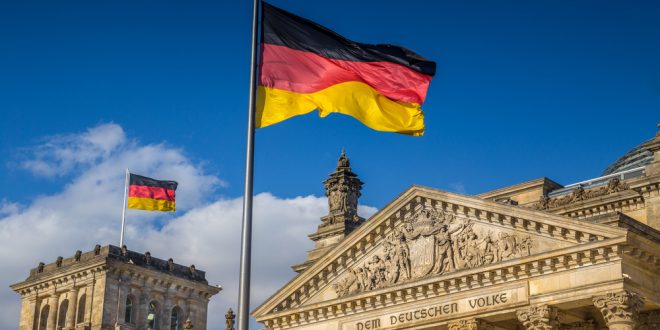
Germany’s business sentiment unexpectedly slipped in November, signaling renewed pessimism among companies as Europe’s largest economy struggles to regain momentum after two consecutive years of contraction.
The Ifo Institute reported that its closely watched business climate index declined to 88.1 in November, down from 88.4 in October and below analysts’ expectations of 88.5, according to a Reuters poll.
The downturn was broad-based, with every major sector registering a decline—except services, which saw a modest improvement.
Business Sentiment Softens in Line With PMI Signals
The weaker Ifo reading mirrors last week’s HCOB flash composite PMI for Germany, which also highlighted a loss of momentum in the private sector in November. Together, the indicators reinforce concerns that the long-awaited German recovery continues to stall.
Companies See Current Conditions Slightly Better
Despite the gloomier outlook, German firms assessed their current business conditions more positively, the Ifo Institute noted.
This slight improvement, however, was not enough to counterbalance rising doubts about future growth.
From Early Optimism to Disappointment
Business morale had been improving earlier this year. After the new government took office in May, sentiment climbed steadily, reaching a 15-month high in August—driven largely by Berlin’s major spending pivot.
But the government’s subsequent failure to implement promised reforms has intensified public frustration and strengthened perceptions of political and economic ineffectiveness.
Chancellor Friedrich Merz had pledged an “autumn of reforms” to revive the struggling economy, which is now expected to post only modest growth this year after two years of decline.
Recovery Expected to Be Slow—“Like a Ketchup Bottle”
Germany’s economy contracted in the second quarter and stagnated in the third. While a slight expansion is anticipated in the final quarter of 2025, economists warn that a meaningful rebound will not materialize until next year.
Additional government spending—particularly on infrastructure and defense—is expected to provide some stimulus, but the turnaround will likely take time.
In a colorful analogy, Carsten Brzeski, Global Head of Macro at ING, said hopes remain that Germany’s fiscal stimulus could eventually work “like the good old ketchup bottle”—slow to start, but delivering a strong burst once it finally begins to flow.