Noor Trends News, Technical Analysis, Educational Tools and Recommendations


Markets hold steady after a long weekend, but geopolitical risk keeps investors on edge as the U.S.-Iran conflict intensifies and energy prices climb.
European equity markets offered little movement on Tuesday as investors returned from a long holiday weekend to face a volatile geopolitical backdrop, with U.S. President Donald Trump’s deadline for Iran to accept a ceasefire deal set to expire by nightfall.
Markets at a Glance
The pan-European Stoxx 600 edged up just 0.1% in early trading, while Germany’s DAX was broadly flat. France’s CAC 40 outperformed modestly, gaining 0.5%, and the UK’s FTSE 100 added 0.2%. Most major European bourses had been closed Monday for a public holiday, leaving Tuesday’s session as investors’ first real opportunity to price in the latest developments in the escalating Middle East conflict.
Trump Threatens Devastating Strikes as Ceasefire Talks Collapse
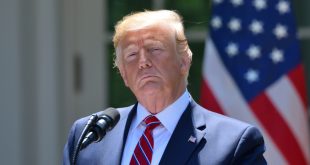
Sentiment was subdued after President Trump, speaking at a news conference, poured cold water on hopes for a negotiated pause in hostilities between the United States and Iran. Tehran had already rejected a joint proposal from Washington and regional mediators that would have implemented a 45-day halt to fighting and reopened the Strait of Hormuz — the narrow waterway through which roughly one-fifth of the world’s seaborne oil passes.
Trump issued stark warnings to Iran, threatening to destroy “every bridge” and “power plant” should Tehran refuse to reach a deal before his Tuesday night deadline. He added that any fresh U.S. strikes would set back Iran’s infrastructure by “100 years.” Nevertheless, the president left the door open to a diplomatic resolution, tempering some of the more extreme market reactions.
A Widening Conflict With Global Economic Consequences
The conflict, which began with coordinated U.S. and Israeli strikes on Iran in late February, has since spread across the broader Middle East. Israel has intensified operations against Iran-aligned Hezbollah militants in Lebanon, while Iran has retaliated with strikes on key energy infrastructure throughout the Persian Gulf — compounding fears over the stability of global crude supply chains.
The effective closure of the Strait of Hormuz to tanker traffic has had far-reaching economic implications. Asian nations that are heavy importers of Gulf energy, as well as European countries relying on Persian Gulf natural gas to heat homes and power data centers, face mounting supply pressures that threaten to accelerate inflation and slow economic growth.
Oil Prices Surge Amid Supply Fears
Energy markets bore the brunt of investor anxiety. Brent crude futures, the global benchmark, climbed 1.4% to $111.28 per barrel, while U.S. West Texas Intermediate rose 2.1% to $114.74 — continuing a sustained upward march that has rattled policymakers and central bankers alike. Analysts at ING noted that market attention would remain firmly fixed on whether a ceasefire could be brokered in time to prevent “another large leg higher” in energy prices.
Universal Music Shares Surge on Ackman Bid
Not all the day’s news was dominated by geopolitics. Shares of Universal Music Group, listed in Amsterdam, soared more than 14% after billionaire investor Bill Ackman’s Pershing Square Capital Management unveiled a cash-and-stock offer to acquire the music giant in a deal valued at over €55 billion — providing one of the few bright spots in an otherwise cautious trading session.
Investors will be watching closely as Trump’s deadline passes, with any escalation in U.S.-Iran hostilities likely to send fresh shockwaves through energy markets and weigh further on global risk appetite.