Noor Trends News, Technical Analysis, Educational Tools and Recommendations

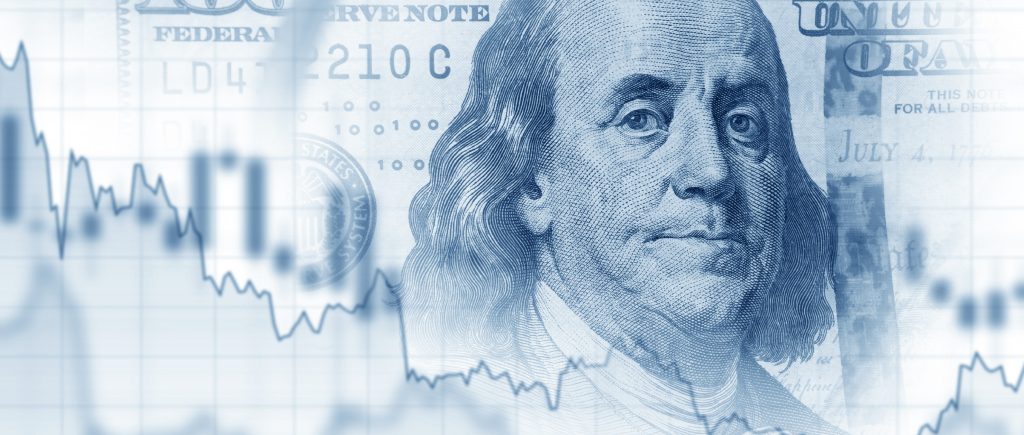
The U.S. dollar remained under pressure on Thursday, hovering near a four-year low as economic and political uncertainty continued to weigh on sentiment following the Federal Reserve’s decision to keep interest rates unchanged.
By early European trade, the Dollar Index slipped 0.2% to 96.080, remaining close to levels last seen in 2022 after a bout of heavy selling earlier in the week.
The greenback steadied somewhat after the Fed held rates at 3.75%, with Chair Jerome Powell describing the U.S. economy as “solid” and risks to inflation and employment as more balanced. Markets interpreted the tone as a signal that rates could remain on hold for several months, offering modest relief to a currency that had appeared to be in freefall.
Even so, the dollar has already fallen about 2% this year, pressured by concerns over President Donald Trump’s erratic policymaking, growing questions around the Federal Reserve’s independence, and speculation that the U.S. could support coordinated intervention to strengthen the Japanese yen.
In Europe, the euro traded near $1.20, supported by dollar weakness, though policymakers at the European Central Bank have begun voicing concern that a stronger currency could dampen inflation. Sterling edged higher, while the Swedish krona weakened after the Riksbank left rates unchanged.
In Asia, the yen held onto recent gains, with USD/JPY near a three-month low as markets remained alert to the possibility of intervention by Japanese authorities, potentially in coordination with Washington. Elsewhere, the Australian dollar climbed to near three-year highs after hotter-than-expected inflation data fueled expectations of an imminent rate hike by the Reserve Bank of Australia.
With policy direction in Washington still clouded, currency markets remain wary, leaving the dollar vulnerable despite the Fed’s steady hand.