Noor Trends News, Technical Analysis, Educational Tools and Recommendations

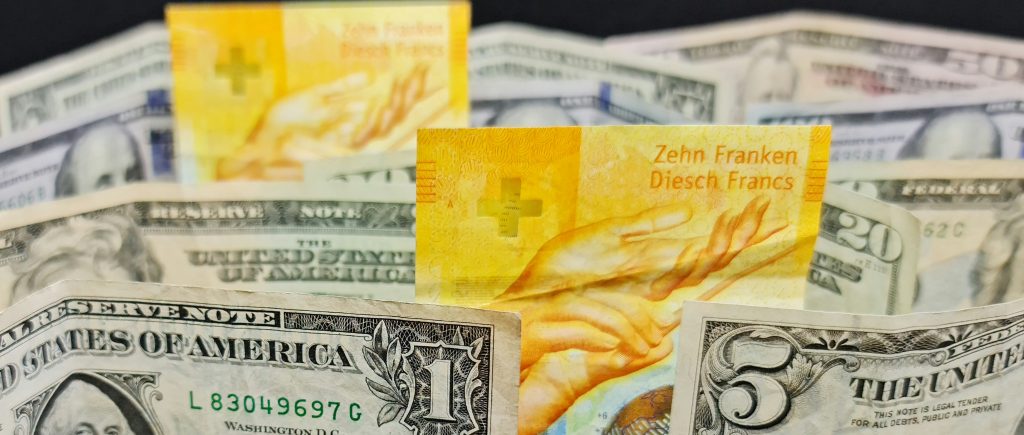
The U.S. dollar strengthened modestly on Tuesday, supported by elevated oil prices and ongoing geopolitical tensions, as uncertainty surrounding the Strait of Hormuz continued to weigh on global markets.
By 06:25 ET (10:25 GMT), the U.S. Dollar Index rose 0.1% to 99.78, reflecting steady demand for the greenback. Meanwhile, the euro held at $1.1511, and the British pound edged slightly higher to $1.3331.
Oil-driven inflation fears support the dollar
The dollar’s gains came as Brent crude remained above $100 per barrel, underpinned by concerns over supply disruptions linked to the ongoing U.S.-Israel conflict with Iran.
At the center of the situation is the Strait of Hormuz, a critical maritime chokepoint responsible for transporting roughly 20% of global oil supply. Iran has warned it may target vessels linked to the U.S. or its allies, prompting many shipping companies to suspend operations in the region.
This disruption has pushed energy prices higher, fueling concerns about global inflation—a key factor supporting the U.S. dollar.
Central banks face renewed pressure
With inflation risks rising, markets are reassessing the outlook for monetary policy. Some analysts now expect central banks to adopt a more hawkish stance, potentially delaying or reducing expectations for rate cuts.
Higher interest rates typically increase the attractiveness of the dollar by drawing in foreign capital, a dynamic that has supported the currency in recent sessions.
Adding to this trend, the Reserve Bank of Australia raised interest rates to a 10-year high, citing “material” inflation risks linked to the Middle East conflict. The Australian dollar rose slightly to $0.7081.
Investors are now awaiting key central bank decisions this week, including the Federal Reserve’s policy meeting, for further direction.
Allies push back on Hormuz intervention
Geopolitical uncertainty intensified after several U.S. allies—including Germany and Japan—declined to support President Donald Trump’s call to help secure and reopen the Strait of Hormuz.
While the United Kingdom and France indicated openness to discussions, no coordinated multinational effort has been confirmed.
Trump has also urged China to provide support, but Beijing appears reluctant, particularly as it continues importing Iranian oil and has been allowed passage through the strait.
Escalation risks remain high
Tensions remain elevated, with reports of continued attacks on shipping and energy infrastructure. A tanker near the UAE port of Fujairah was reportedly struck, while a drone attack caused a fire at a key oil facility.
Unconfirmed reports also suggest that senior Iranian figures may have been killed in recent strikes, highlighting the risk of further escalation.
Outlook
With oil prices elevated, inflation risks rising, and geopolitical tensions unresolved, the U.S. dollar is likely to remain supported in the near term.
Markets will now focus on central bank decisions and developments in the Middle East, as the balance between growth concerns and inflation pressures continues to drive global sentiment.