Noor Trends News, Technical Analysis, Educational Tools and Recommendations

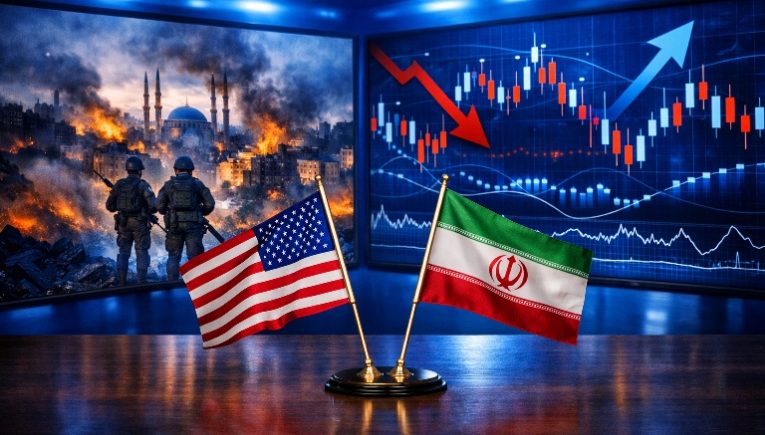
Tensions across the Middle East are intensifying as diplomatic efforts to secure a ceasefire between the United States and Iran enter a decisive and fragile stage. With deadlines tightening and political positions hardening, global markets are reacting swiftly to every signal coming out of the negotiations, especially in the energy sector.
US President Donald Trump has indicated that he is unlikely to extend the current two-week ceasefire window, increasing pressure on negotiators to deliver a breakthrough before the situation escalates further. He also reiterated that the Strait of Hormuz — a vital corridor for global oil shipments — will remain under blockade conditions until a formal agreement is reached, keeping supply risks elevated and markets on alert.
In a key diplomatic move, US Vice President JD Vance is set to travel for renewed negotiations expected to take place in Pakistan, either late Tuesday or early Wednesday. He will reportedly be joined by senior advisers as Washington accelerates its push to break the deadlock under mounting geopolitical pressure.
On the other side, Iran is also preparing to send a delegation, though the leadership structure of its negotiating team remains uncertain. Internal hesitation in Tehran regarding further direct engagement has added another layer of complexity to an already fragile diplomatic process.
Choosing Pakistan as the venue highlights efforts to establish a neutral ground for dialogue amid rising regional sensitivities. However, expectations remain cautious, with both sides still divided on core security and regional stability issues.
Energy markets are already reflecting the heightened uncertainty. Oil prices are edging higher as traders factor in the risk of supply disruptions linked to the Strait of Hormuz. West Texas Intermediate crude continues to trade with a geopolitical risk premium, driven by fears that negotiations could stall or collapse entirely.
The broader financial landscape remains highly sensitive to developments in the talks. Any breakdown could trigger sharp volatility across commodities and currencies, particularly in economies heavily exposed to energy imports.
As attention turns to the upcoming round of negotiations, markets are watching closely to see whether this renewed diplomatic push led by JD Vance can unlock progress — or whether tensions will deepen further, sending shockwaves through global energy and financial systems.