 Noor Trends News, Technical Analysis, Educational Tools and Recommendations

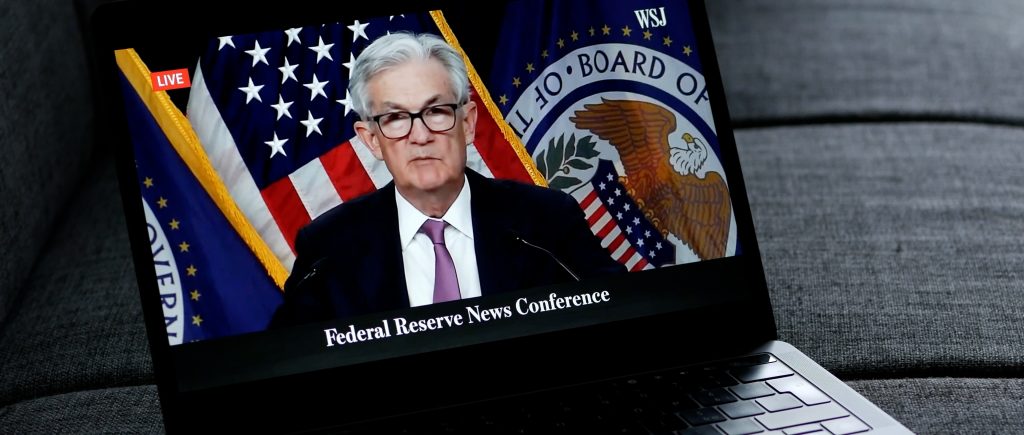
Central Bankers Rally Behind Powell: Why Trump’s Attacks Sparked a Global Warning
In an extraordinary and rare move, top central bankers from around the world issued a joint statement expressing their support for U.S. Federal Reserve Chair Jerome Powell. The declaration comes as Powell faces both a criminal investigation and mounting political pressure from President Donald Trump, who has pushed for his early resignation.
A Global Stand for Central Bank Independence
The statement included central bank governors from Australia, Brazil, Canada, Europe, New Zealand, South Africa, South Korea, the United Kingdom, and others, as well as the Bank for International Settlements. It highlighted the global impact of U.S. interest rate decisions and the need to avoid setting a dangerous precedent that could undermine central bank independence.
The statement read:
“We stand in full solidarity with the Federal Reserve and its Chair, Jerome Powell. Central bank independence is a cornerstone of price stability and financial and economic stability. It is essential to maintain this independence with full respect for the rule of law and democratic accountability.”
Central bank independence has been a global norm for decades, allowing authorities to set interest rates to manage inflation effectively. Reverting monetary policy decisions to politicians—especially an unpredictable president like Trump—would threaten economic stability worldwide.
Powell vs. Trump: An Ongoing Clash
Since taking office, Trump has repeatedly criticized the Federal Reserve, accusing Powell of being slow to cut interest rates. He has openly expressed his desire to remove Powell before the end of his term in May. U.S. law allows a Fed Chair to be dismissed only “for cause,” typically involving legal or ethical violations, not political disagreements.
Earlier this week, Powell revealed he received a DOJ subpoena threatening criminal charges related to his testimony before the Senate Banking Committee on a $2.5 billion Fed building renovation project. Trump denied any involvement in the investigation, framing the issue as a test of whether the Fed will continue setting rates based on economic evidence rather than political pressure.
Inflation and the Risks of Political Interference
Trump has urged the Fed to cut rates sharply from the current 3.5–3.75% to 1%, while most economists warn this could trigger significantly higher inflation. U.S. inflation currently sits at 2.8%, above the Fed’s 2% target, and rates are typically lowered so dramatically only during deep recessions.
Historical examples illustrate the dangers of politicizing central banks. Before the 1972 elections, Fed rate cuts under Nixon are believed to have contributed to the high inflation of the mid-1970s. More recently, in Turkey, President Erdoğan’s pressure to lower rates in the early 2020s led to runaway inflation, forcing sharp rate hikes later to regain control.
If Trump succeeds in installing a Fed Chair aligned with his views and lowers rates to 1%, inflation could surge, interest rates on long-term debt would rise, and Americans could face a higher cost of living just ahead of the midterm elections. The resulting economic turmoil could ultimately trigger a recession if rates must be hiked to rein in inflation.
A Message to the World
As more than a dozen global central bank leaders emphasized, U.S. monetary policy has worldwide consequences. Undermining the independence of the Federal Reserve could ripple across the global economy, affecting markets, inflation, and financial stability everywhere.
With IMF’s Georgieva, chief central bankers and former Fed Chairs—including Alan Greenspan—publicly supporting Powell, the message is clear: central bank independence is not negotiable, even under intense political pressure.