Noor Trends News, Technical Analysis, Educational Tools and Recommendations

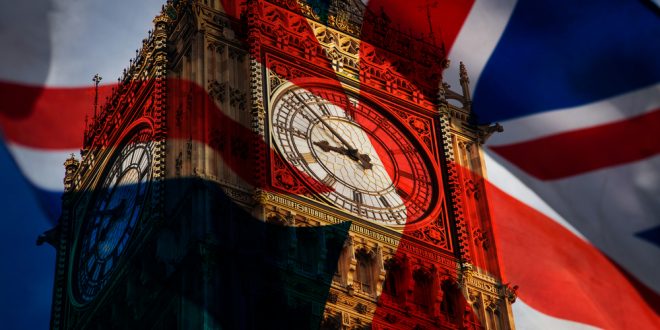
UK Prime Minister Keir Starmer has departed for the Middle East on a high-stakes diplomatic mission following the announcement of a ceasefire agreement reached overnight, a development that sent a cautious wave of optimism through global energy markets still scarred by months of regional instability.
Starmer welcomed the agreement, describing it as delivering a moment of relief not only to the region but to the broader international community. Yet for investors and energy analysts, the more consequential dimension of his visit lies in what comes next: the fate of the Strait of Hormuz.
At the core of Starmer’s agenda is securing firm commitments from regional allies to ensure that the strait — one of the world’s most strategically significant chokepoints — remains permanently open to commercial shipping. Roughly 20% of global oil trade passes through the narrow waterway between Oman and Iran, making any disruption to its navigation a direct trigger for energy price volatility and broader economic turbulence.
The Prime Minister’s visit signals that London views the ceasefire not as an endpoint but as a diplomatic opening — one that must be rapidly converted into durable security guarantees before fragile calm gives way to renewed tensions. With global oil supply chains still adjusting to the pressures of the past year, the permanence of Hormuz access has become as much a financial imperative as a geopolitical one.