 Noor Trends News, Technical Analysis, Educational Tools and Recommendations

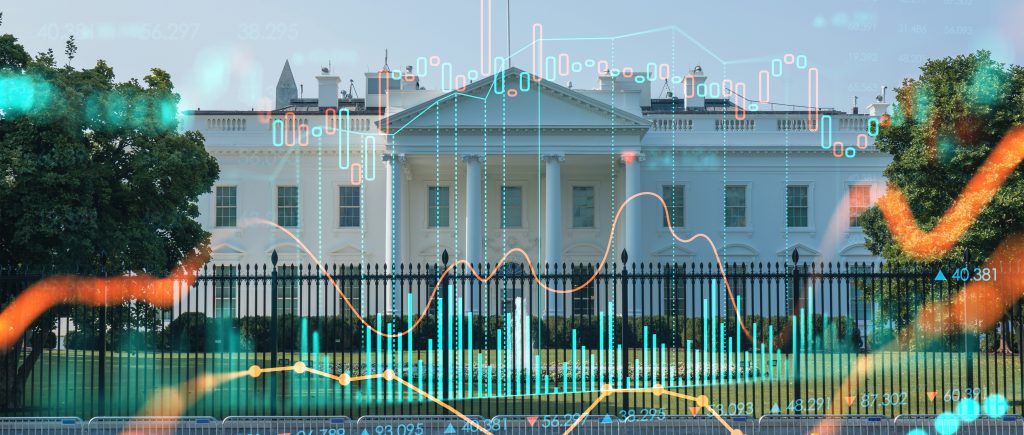
The standoff between the United States and Iran continues without a clear endpoint after President Donald Trump indicated that there is no set timeline for reaching a resolution. The decision underscores a calculated approach that favors sustained pressure over quick diplomacy, keeping both political tensions and market sentiment in a state of uncertainty.
Washington has opted to maintain its current course, extending a ceasefire while continuing a naval blockade on Iranian ports. This combination reflects a strategy aimed at limiting escalation while preserving leverage. Rather than pushing for an immediate breakthrough, the United States appears willing to let the situation evolve on its own terms.
Iranian officials, however, have responded with firm resistance. They signaled that key routes such as the Strait of Hormuz will remain closed under present conditions, pointing to ongoing violations of the ceasefire. Given the strategic importance of this passage for global energy flows, the stance adds another layer of risk to an already fragile environment.
Markets have begun to reflect this prolonged uncertainty. Oil prices have risen amid uneven trading, as investors struggle to balance concerns over supply disruptions with the reality of a conflict that may persist without rapid escalation. The cautious mood extends beyond energy, affecting currencies and commodities alike.
Gold has edged a little higher as demand for safe-haven assets fluctuates, while major currency pairs remain range-bound, highlighting a broader sense of hesitation. Investors are navigating a landscape shaped less by immediate shocks and more by the slow burn of geopolitical tension.
For now, the absence of a deadline is the defining feature of the crisis. While this approach may prevent sudden escalation, it leaves markets exposed to ongoing ambiguity—where every development, no matter how small, has the potential to shift the global economic outlook.