Noor Trends News, Technical Analysis, Educational Tools and Recommendations

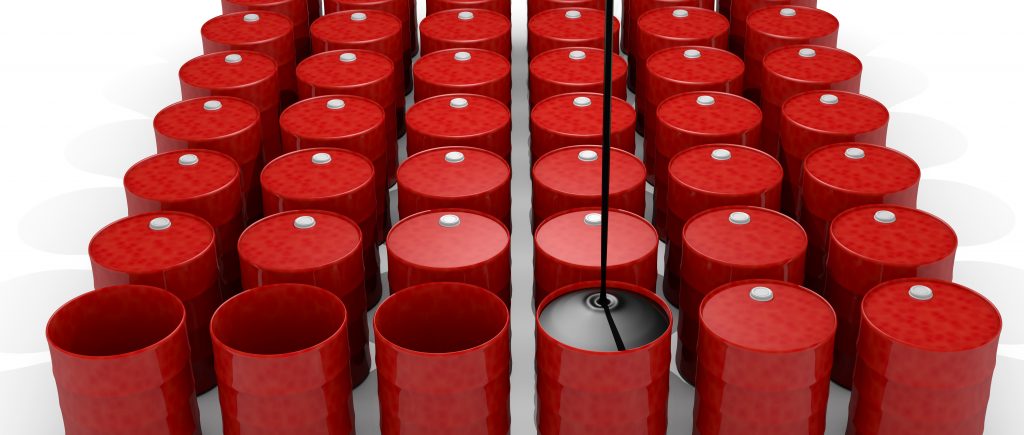
Oil markets hold their breath as geopolitics take the wheel. Global oil markets are once again on edge, with prices swinging sharply as political tensions escalate around the strategically critical Strait of Hormuz. The latest wave of volatility reflects not just supply concerns, but a growing sense that markets are now being driven more by political deadlines than traditional fundamentals.
Crude prices surged aggressively in early trading, with futures briefly jumping above $115 per barrel before easing slightly. Meanwhile, spot prices remained more restrained, hovering near $104. This unusual divergence highlights how traders are rushing to secure near-term supply, pricing in immediate risks while remaining cautious about longer-term stability.
Market Split: Futures Surge, Spot Lags
The widening gap between futures and spot prices tells a deeper story. Traders are effectively placing a premium on immediate delivery, signaling fears of short-term supply disruptions rather than a sustained shortage. This dynamic reflects a market under stress—one where uncertainty about the next few days outweighs confidence about the coming months. In simple terms, buyers are willing to pay more now to avoid the risk of not getting oil at all.
Ultimatum Politics Drive Price Action
At the center of the storm is Donald Trump, whose latest ultimatum has injected fresh volatility into global markets. He warned of severe military action if shipping routes through the Strait are not reopened within a strict deadline, raising fears of a broader escalation.
On the other side, Iran has firmly rejected both the ultimatum and diplomatic proposals, insisting that negotiations cannot proceed under threats. This hardline stance has effectively stalled any immediate path toward de-escalation.
The result: markets are now trading headlines, not just supply and demand.
Supply Shock That Changed Everything
Since disruptions began, a massive portion of global oil flows—estimated at nearly 20% of daily supply—has been affected. The Strait of Hormuz, a vital artery for global energy trade, remains partially blocked, choking off millions of barrels per day.
Even typically bearish factors—such as rising inventories or modest production increases—have failed to calm markets. The geopolitical risk premium has taken over, adding a significant “fear surcharge” to every barrel traded.
Diplomacy Fades as the Clock Ticks
Efforts to broker a temporary ceasefire have so far fallen short. A proposed short-term truce failed to gain traction, with both sides appearing unwilling to compromise under current conditions.
As the deadline approaches, optimism is fading fast. Markets that briefly flirted with hopes of de-escalation are now reverting to a more cautious—and volatile—stance.
What Comes Next: A Market Defined by Risk
In the near term, oil prices are likely to remain highly sensitive to political developments. Any breakthrough could trigger a sharp pullback, while further escalation may send prices soaring again.
For now, the market is caught in a classic tension:
Hope for diplomacy vs. fear of disruption
Short-term panic vs. long-term uncertainty
Until clarity emerges, volatility is not just expected—it is guaranteed. Oil is no longer just a commodity—it has become a real-time barometer of geopolitical risk. With deadlines looming and tensions unresolved, markets are bracing for what could be the next निर्णcing move, one headline at a time.