Noor Trends News, Technical Analysis, Educational Tools and Recommendations

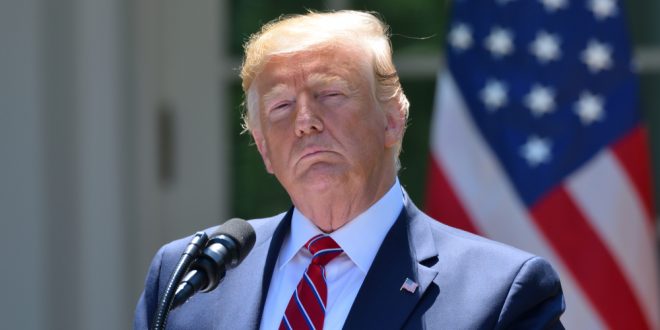
A potential diplomatic breakthrough may be taking shape in the Middle East, as Iran and the United States have reportedly received a framework aimed at ending hostilities and reopening the Strait of Hormuz.
The proposal, which could take effect as early as Monday, outlines a structured path toward de-escalation, though uncertainty remains over Iran’s response.
Two-Stage Plan Targets Immediate Ceasefire
The framework, reportedly put forward by Pakistan, follows a two-phase approach. The first stage calls for an immediate ceasefire and the reopening of the Strait of Hormuz, while the second phase would focus on negotiating a comprehensive and lasting agreement.
The plan envisions a 15- to 20-day window to finalize broader terms following the initial ceasefire, with in-person negotiations expected to take place in Islamabad.
Intensive Diplomatic Engagement Underway
Pakistan’s military leadership has been actively engaged in facilitating talks, maintaining continuous communication with senior officials from both sides, including U.S. and Iranian representatives.
Parallel discussions have also pointed to a potential 45-day ceasefire window, which could serve as a foundation for a permanent resolution to the conflict.
Key Terms Focus on Nuclear Commitments and Sanctions Relief
The proposed final agreement is expected to include commitments from Iran not to pursue nuclear weapons, in exchange for sanctions relief and the unfreezing of financial assets.
Such terms reflect a broader attempt to address the core geopolitical issues underpinning the conflict while stabilizing the region.
Uncertainty Remains Over Iran’s Position
Despite intensified diplomatic efforts and backing from multiple international stakeholders, Iran has yet to formally commit to the proposal.
Sources indicate that previous ceasefire initiatives have failed to secure agreement from Tehran, highlighting the challenges of reaching a consensus amid ongoing tensions.
Market Implications
The emergence of a ceasefire framework has the potential to significantly impact global markets, particularly energy prices. A reopening of the Strait of Hormuz would ease supply constraints and could lead to a sharp reversal in oil prices, which have surged amid the conflict.
However, until a formal agreement is reached, markets are likely to remain cautious, with volatility driven by developments in negotiations.
Outlook
While the proposed framework offers a possible path toward de-escalation, its success hinges on Iran’s willingness to engage. The coming days will be critical in determining whether the conflict moves toward resolution or continues to pose risks to global stability and economic conditions.