Noor Trends News, Technical Analysis, Educational Tools and Recommendations

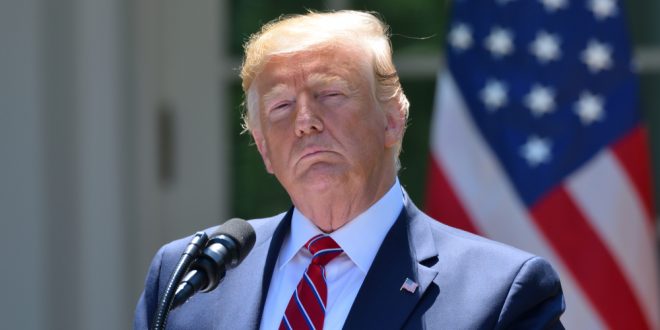
Donald Trump warned of a significant escalation in military operations against Iran, indicating that key infrastructure—including bridges and power plants—could become targets in the coming phase of the conflict.
In a late-night statement, Trump suggested that U.S. forces had yet to fully engage remaining targets, signaling a potential expansion of strikes beyond military assets. He also implied that pressure on Iran’s leadership would intensify, calling for rapid political change.
Escalation Expands Beyond Military Targets
The remarks mark a sharp shift in tone, following recent strikes on Iranian infrastructure, including a major bridge. The latest comments point to a broader strategy that could extend to critical civilian facilities such as electricity networks.
Such a move would represent a significant escalation, increasing the risk of widespread disruption within Iran and potentially across the wider region.
Trump reiterated that military operations would intensify in the coming weeks, while also maintaining that U.S. objectives were close to being achieved—highlighting a dual strategy of escalation alongside a possible near-term endgame.
Hormuz Tensions and Energy Risks Intensify
The warning comes amid ongoing tensions surrounding the Strait of Hormuz, which remains a central flashpoint in the conflict.
Washington has previously threatened further action if the waterway—responsible for roughly one-fifth of global oil flows—is not reopened. Continued disruption to the strait has already driven volatility in energy markets and heightened concerns about supply shortages.
An expansion of strikes to infrastructure could further destabilize regional energy flows, amplifying risks to global markets.
Global Economic Implications
Targeting critical infrastructure such as power plants raises the stakes for both regional stability and the global economy. Any sustained disruption to energy systems or transport networks could intensify inflationary pressures, particularly as oil prices remain elevated.
Markets are likely to react sharply to any signs of further escalation, with investors closely monitoring developments for their potential impact on energy supply, inflation, and global growth.
Outlook
The latest escalation signals suggest the conflict may be entering a more aggressive phase, with broader implications beyond military engagements. As tensions rise, the risk of wider regional disruption—and its spillover into global markets—continues to grow.