Noor Trends News, Technical Analysis, Educational Tools and Recommendations

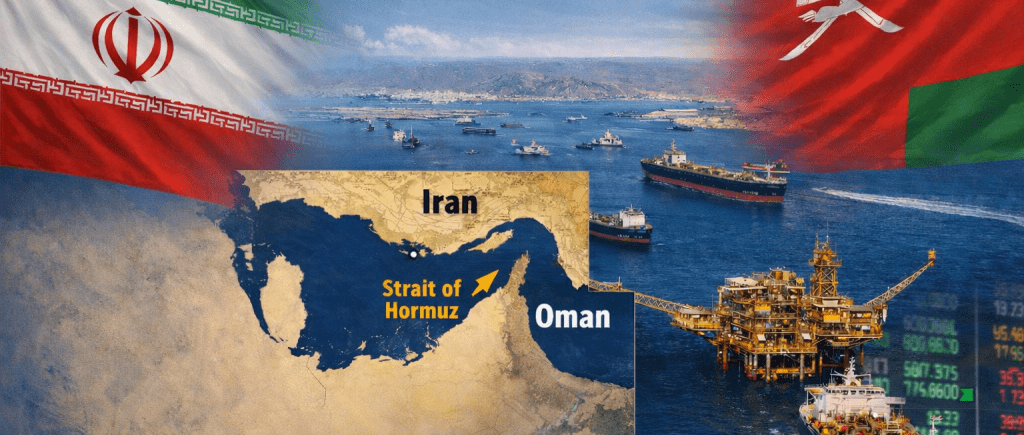
Iran and Oman are reportedly preparing a joint protocol to monitor traffic through the Strait of Hormuz, one of the world’s most critical shipping lanes. The initiative aims to oversee oil tankers and commercial vessels, raising early hopes that the strait could reopen partially after weeks of closure.
According to Iranian officials, shipping through the strait “must be coordinated and supervised” between the two countries. The measures are intended not to impose restrictions but to facilitate passage, ensure vessel safety, and improve services for maritime traffic. This comes amid growing global concern over the economic and geopolitical impact of the strait’s ongoing closure.
Markets reacted quickly to the announcement. U.S. stock indices, which had been sharply lower following remarks about continued conflict with Iran, rebounded after news of the Iran-Oman protocol. Oil prices also eased slightly, as investors viewed the move as a potential non-military path to reopening the vital waterway.
The strait has been effectively closed since February 28, following U.S. and Israeli strikes on Iran. The blockade triggered historic oil price surges, fueling a global energy crisis. Gasoline prices in the United States climbed over 30% in a month, surpassing $4 per gallon for the first time in years. With roughly 20% of global oil supplies passing through Hormuz, any progress in Iran-Oman negotiations could partially relieve one of the world’s most tense geopolitical flashpoints.
Despite the protocol, markets remain cautious. Gulf oil producers have cut output by about 6% due to full storage facilities, while the UAE prepares to support international efforts to reopen the strait, potentially seeking United Nations authorization. The International Energy Agency warns that even if hostilities end soon, normal flow through the strait could take time due to damage to regional energy infrastructure.
Regional tensions continue to escalate, with Saudi Arabia granting U.S. forces access to King Fahd Air Base and the UAE restricting Iranian transit. While U.S. presidential statements had previously spiked oil prices and weighed on stock markets, news of the Iran-Oman protocol helped stabilize markets, sending key indices into positive territory by Thursday’s close.