Noor Trends News, Technical Analysis, Educational Tools and Recommendations

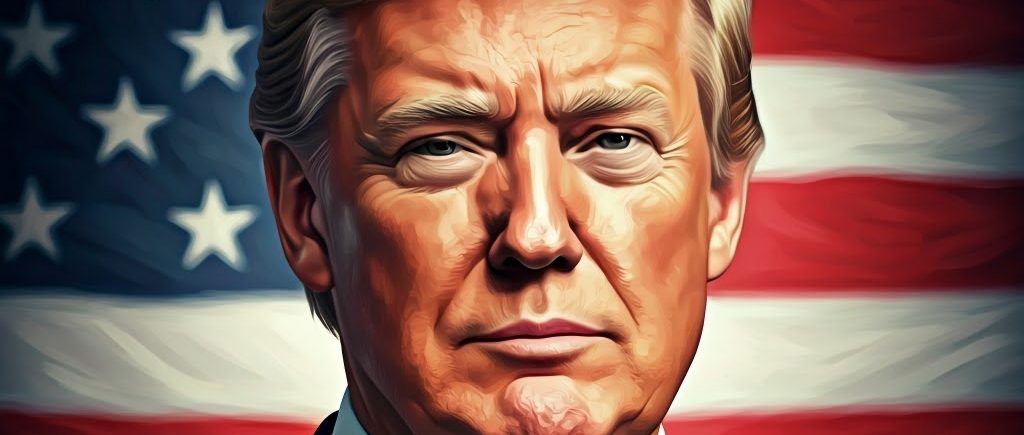
Global markets have been rattled by a series of sudden policy announcements from President Donald Trump, with trading patterns often shifting in uncanny ways just moments before his statements. From tariff reversals to military threats, these abrupt moves have repeatedly jolted oil, stocks, bonds, and even cryptocurrencies, leaving investors questioning whether some traders are gaining an edge ahead of time.
Well-Timed Trades Raise Questions
On several occasions, unusual bursts of activity in oil futures and S&P 500 options have appeared minutes before Trump’s announcements. One striking example came when a flurry of trades hit markets shortly before he posted about easing tensions with Iran. The message sent oil prices tumbling and stocks soaring, sparking speculation about whether traders had anticipated the news—or had access to information not yet public.
Such incidents highlight the extraordinary influence of presidential communication in the digital age. A single post can reshape global markets, leaving traders scrambling to react. The timing of certain trades has fueled debate about transparency, fairness, and whether regulators should investigate potential leaks.
The Iran Conflict and Market Volatility
The broader backdrop is the ongoing war between the U.S. and Iran, which has thrown global energy markets into turmoil. Skepticism over a ceasefire has driven oil prices sharply higher, while stocks and bonds have suffered. Brent crude surged to around $108 a barrel, marking a nearly 50% monthly gain, as Iran’s near-total closure of the Strait of Hormuz disrupted millions of barrels of daily oil shipments.
Trump has threatened intensified military action unless Tehran halts the conflict, while Iran has responded with conditions that include guarantees against future U.S. or Israeli attacks. The impasse has left investors bracing for more turbulence, with Treasury yields climbing toward multi-month highs and safe-haven assets like gold and Bitcoin retreating.
Corporate Headlines Add to the Mix
Beyond geopolitics, corporate developments have added layers of volatility. Tech giants unveiled new artificial intelligence initiatives, retailers rolled out digital shopping tools, and car rental companies rallied amid airport chaos linked to a partial government shutdown. Yet the overriding theme remains energy: as long as crude stays above $100, traders expect volatility to persist and equities to remain under pressure.
The Bigger Picture
These episodes underscore how deeply politics now drives financial sentiment. Markets are no longer moved solely by economic fundamentals but by the unpredictability of presidential decisions and geopolitical flashpoints. Each statement from Washington or Tehran sends ripples across global exchanges, reinforcing the fragile confidence of investors.
The lingering question remains: are these trades simply well-timed bets by savvy investors, or signs of a deeper problem in how information flows before policy shocks? Until meaningful progress is made toward a ceasefire and the reopening of Hormuz, markets are likely to remain on edge—caught between the forces of geopolitics and the relentless pursuit of profit.