Noor Trends News, Technical Analysis, Educational Tools and Recommendations

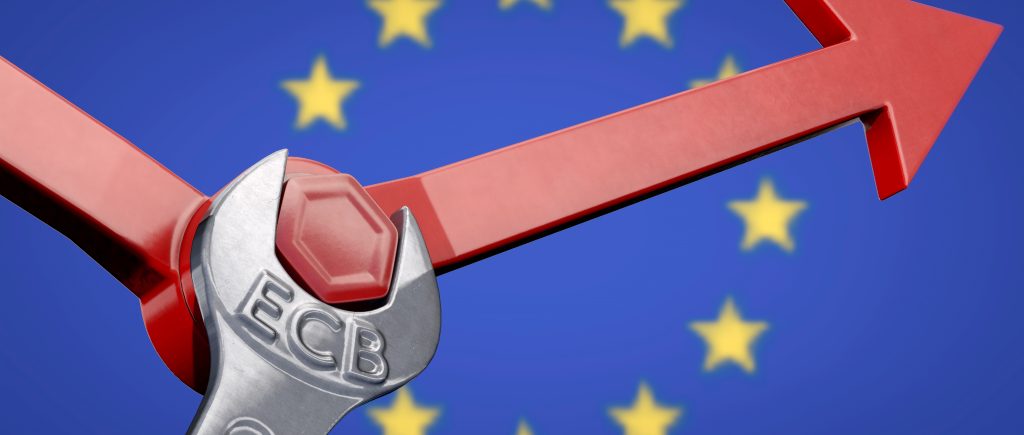
Interest Rates To Stay On Hold As Bank Adopts Cautious Stance: The European Central Bank (ECB) convenes on February 5 for its first monetary policy meeting of 2026, with expectations overwhelmingly pointing to unchanged interest rates. The deposit facility is anticipated to remain at 2.00%, the main refinancing rate at 2.15%, and the marginal lending facility at 2.40%. After a series of rate cuts in late 2024 and 2025, the ECB now faces a “neutral” policy environment, relying on a measured, data-dependent approach while inflation remains broadly on target and growth in the eurozone stays moderate.
January data indicate that headline inflation is around 2%, giving the central bank room to maintain rates without immediate action. While some projections suggest inflation could dip as low as 1.7% in the near term, the Governing Council appears content to let the current policy run its course while carefully monitoring economic developments.
The Euro’s Strength: A Double-Edged Sword
The euro has gained notable ground against the US dollar in early 2026, offering a partial buffer against imported inflation, particularly in energy and commodity prices. This currency strength allows the ECB to hold rates steady. However, a stronger euro also poses risks to export competitiveness across the eurozone, especially for key industrial economies such as Germany, where 2026 growth is forecast at a modest 0.8–1.2%. Persistent appreciation could eventually dampen growth and pressure the bank to reassess its policy stance.
Signs of Economic Stability in the Eurozone
Economic indicators point to steady activity across the region. Eurozone GDP grew 0.3% quarter-on-quarter in Q4 2025, matching the previous quarter and defying expectations of a slowdown. The composite Purchasing Managers’ Index (PMI) has held at 51.5 over the last two months, indicating moderate expansion in both manufacturing and services.
Consumer confidence rose in January to its highest level since early 2025, while bank lending continues to expand, reflecting ongoing domestic support for economic activity. Labor markets remain strong, with unemployment at a record low of 6.3%, sustaining household purchasing power and mitigating broader economic risks.
Global Risks and Policy Challenges
Despite these positive trends, the eurozone faces several headwinds. Trade tensions, energy price volatility, and geopolitical uncertainty continue to pose risks to growth and inflation. A sharp rise in the euro could weigh on exports, while external shocks in global markets could prompt the ECB to act to prevent a slowdown. Balancing these pressures with the ongoing recovery remains central to policy considerations.
Market Focus on Communication and Outlook
Investors and market participants are closely monitoring ECB President Christine Lagarde’s press conference for insights on future policy directions. Any emphasis on downside growth risks or potential undershooting of inflation may be interpreted as dovish, while reassurances that service-sector inflation and wages remain stable could reinforce expectations of policy continuity.
Stability with Vigilant Monitoring
The ECB enters February with a focus on maintaining stability, monitoring inflation, and supporting the gradual recovery across the eurozone. After cautious rate cuts in 2024–2025, the central bank’s priority now is the duration of current rates and their effectiveness in a landscape shaped by a strong euro and moderate economic growth. The Governing Council’s decisions and communication over the coming months will be key to guiding expectations for the remainder of 2026.