Noor Trends News, Technical Analysis, Educational Tools and Recommendations

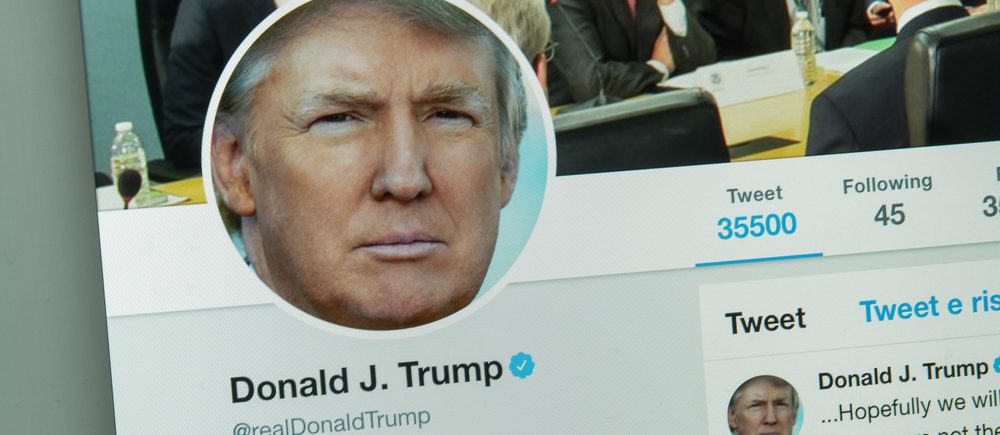
U.S. President Donald Trump on Tuesday signed a sweeping spending package into law, bringing an end to a partial government shutdown after just three days, while setting up a new funding deadline for the Department of Homeland Security (DHS) in two weeks’ time.
The administration and Republican leaders moved quickly to finalize the legislation, keen to avoid a prolonged shutdown like last autumn’s 43-day stalemate that severely disrupted federal operations and weighed on Washington politics.
The House of Representatives passed the bill earlier on Tuesday after intense negotiations, marking a political win for Trump and House Speaker Mike Johnson. Johnson faced resistance within his own party, as the package only provides temporary funding for DHS and leaves out several conservative policy demands.
In the days leading up to the vote, Republican leaders scrambled to suppress a late rebellion from conservative lawmakers, led by Florida Representative Anna Paulina Luna, who pushed to attach stricter voter ID legislation to the funding bill. Party leaders resisted, arguing that the proposal lacked sufficient support in the Senate and risked prolonging the shutdown.
Trump personally intervened, holding conversations at the White House with dissenting members, making direct phone calls, and deploying senior aides to Capitol Hill to secure the necessary votes. GOP leadership sought to reassure holdouts that efforts to advance voter ID legislation would continue separately, even while conceding that the issue currently lacks the votes needed to pass.
Representative Andy Ogles, who initially withheld support over the voter ID issue, said no firm commitments were made but suggested discussions were ongoing behind the scenes.
For most federal agencies, the new law brings long-awaited stability after months of tense budget negotiations and the fallout from last year’s shutdown. The package funds roughly three-quarters of the federal government, slightly trims overall spending, and preserves funding for programs such as the National Institutes of Health, Pell Grants, and election security initiatives.
The bill also advances several Trump priorities, including a military pay raise and increased investment in aviation safety, while significantly cutting international aid funding following last year’s decision to shut down USAID.
However, lawmakers failed to reach agreement on full-year funding for the Department of Homeland Security. As a result, DHS will face another funding deadline in two weeks.
Trump had privately agreed to a short-term DHS funding extension with Senate Majority Leader Chuck Schumer in an effort to cool tensions surrounding Immigration and Customs Enforcement, which intensified after the recent deaths of Renee Nicole Good and Alex Pretti in Minneapolis.
The administration and congressional Democrats now have a narrow window to negotiate limits on federal law enforcement activities, particularly involving ICE. Failure to reach a deal could trigger another shutdown—this time affecting DHS agencies such as the Transportation Security Administration and FEMA.