Noor Trends News, Technical Analysis, Educational Tools and Recommendations

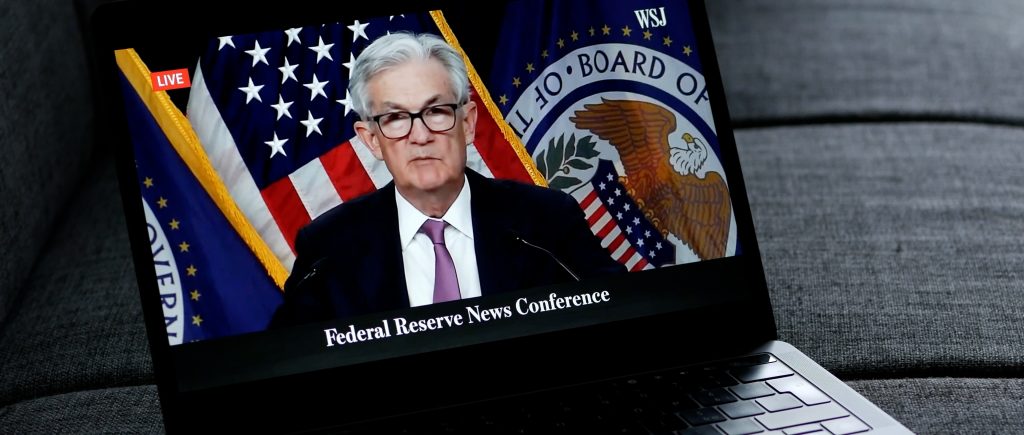
A High-Stakes Game of Musical Chairs: Federal Reserve Chair Jerome Powell is facing a career-defining crossroads. While his term as Chair concludes this May, his legal tenure as a Fed Governor actually extends for another two years. As 2026 kicks off, Wall Street is buzzing with a single question: Will he serve out his full term or make a quiet exit? So far, Powell is keeping his cards close to his chest, stating only that he is focused on his remaining months at the helm.
The Battle for Boardroom Control
The stakes go far beyond one man’s retirement plans. The decision carries massive political and economic weight:
The Math of Power: Currently, the seven-member Board of Governors includes three appointees from the Trump administration. If Powell resigns from the board entirely in May, it would hand the President an immediate opportunity to seat a majority.
Interest Rate Tug-of-War: A board reshaped by the White House could shift the Fed’s direction toward the ultra-low interest rates the President has publicly demanded to help manage national debt costs.
Institutional Shield: Some analysts believe Powell might stay on simply to act as a “firewall,” protecting the Fed’s independence and preventing the removal of regional bank presidents who disagree with White House policy.
Personal Peace vs. Professional Duty
After 13 years at the Fed and eight years as Chair—much of it spent under the heat of public criticism from the White House—many believe Powell is ready for a change of pace. An avid guitarist and grandfather, he has every reason to transition to civilian life. However, his deep-seated loyalty to the Fed’s autonomy may pull him in the opposite direction.
Historically, most chairs like Ben Bernanke and Janet Yellen stepped down entirely once their leadership term ended. Only one predecessor, Marriner Eccles in 1948, chose to stay on as a regular governor to fight for the Fed’s independence.
The “Leverage” Theory
There is a growing theory that Powell’s silence is a tactical move. By refusing to commit to an exit, he may be exercising a silent form of leverage—signaling that he might stick around if the administration proposes “extreme” candidates for the vacancy, but would happily depart if a moderate successor is chosen.
What Happens Next?
The upcoming weeks are critical. The Supreme Court is set to hear a case involving the removal of Fed Governor Lisa Cook on January 21. The ruling could redefine how much power a President has to fire board members. If the court grants the White House broad authority to clear the board, Powell’s decision to stay or go might be made for him.
For now, the financial world remains in a holding pattern, waiting to see if the man who guided the economy through a decade of volatility will take one last stand for its independence.